
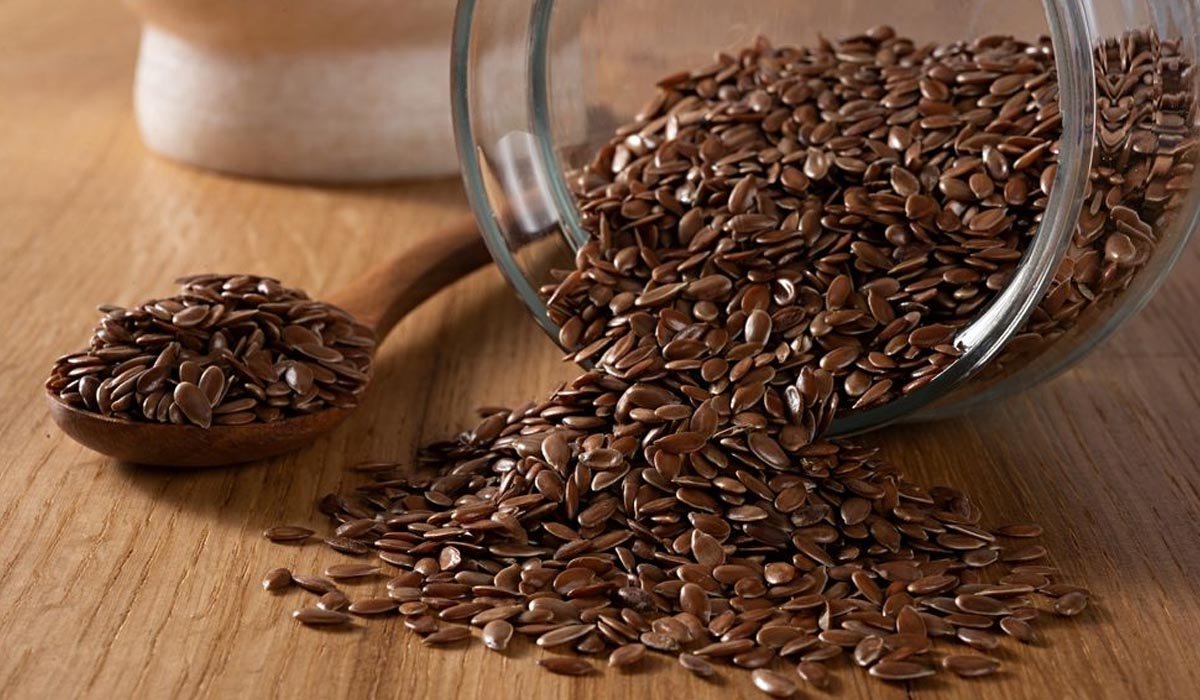
Flaxseed is a tiny, brownish-golden seed with various health advantages. It has a high nutritional content. It has been used for generations in traditional medicine to fix a variety of conditions, including joint pain, skin diseases, and digestive issues. Omega-3 fatty acids, dietary fiber, lignans, and protein are just some of the components that are abundant in flaxseed and are crucial for optimum health. Additionally, it is a good source of minerals like zinc, magnesium, and iron.
Studies have shown that consuming flaxseed may help lower the risk of cardiovascular disease, cancer and diabetes by lowering cholesterol levels and blood pressure. Additionally, flaxseed has been found to reduce inflammation, improve digestion and promote healthy skin. Flaxseed can be purchased either whole or ground and is typically used as an ingredient in natural health products such as nutrition bars, bread and cereals. It can also be enjoyed on its own as a snack or sprinkled over salads and other dishes.
In this article, we have discussed some of the benefits of eating flax seeds.
Lowers cholesterol levels
Flaxseed can help to lower cholesterol levels by attaching to bile acids in the digestive tract, which helps carry cholesterol out of the body. It is also a good source of omega-3 fatty acids, which have been linked with decreased LDL (bad) cholesterol and increased HDL (good) cholesterol. Therefore, consuming flaxseed can aid in lowering total blood cholesterol levels, thereby lessening the chance of heart disease and stroke.
Additionally, its high fiber content can also promote regular bowel movements and help flush excess cholesterol out of the body. Overall, consuming flaxseed on a regular basis may be an effective way to keep your cholesterol levels under control.
Reduces risk of cardiovascular disease

Eating flaxseed can reduce the risk of cardiovascular disease by helping to lower cholesterol levels, blood pressure and inflammation. The omega-3 fatty acids found in flaxseed have been shown to keep cholesterol in control which helps keep the arteries clear of plaque. Its high fiber content can help to wash out excess cholesterol from the body.
Moreover, studies have found that lignans, a type of polyphenol found in flaxseed, may reduce inflammation and improve vascular health. Therefore, incorporating flaxseed into your diet on a regular basis may be an effective way to reduce your risk for heart disease.
Improves digestion and bowel regularity
Flaxseed is a wonderful source of fiber, which can aid with regularity and digestion. The insoluble fiber found in flaxseed helps to add bulk to your stool and moves food through the digestive tract more quickly, promoting regular elimination. Its soluble fiber content can help to keep you feeling full for longer and reduce appetite.
Besides, its high concentration of omega-3 fatty acids helps to lubricate the intestines, providing relief from constipation.
Fights inflammation in the body
Flaxseed has been linked with reducing inflammation in the body due to its high content of omega-3 fatty acids and lignans. Omega-3 fatty acids lower inflammation by reducing the production of inflammatory compounds in the body, while lignans can help to bind to inflammatory receptors and stop them from being activated.
Its high fiber content helps to get rid of toxins which can further reduce inflammation levels in the body. Regular consumption of flaxseed may be an effective way to fight inflammation.
Regulates blood sugar levels and decreases the risk of diabetes and metabolic syndrome
Flaxseed can help to regulate blood sugar levels and decrease the risk of diabetes and metabolic syndrome by improving insulin sensitivity. Its high fiber content helps to slow digestion, which keeps blood sugar levels stable after eating.
Furthermore, its omega-3 fatty acids have been linked with improved insulin sensitivity, which helps the cells better utilize glucose for energy production. Its lignan content has been shown to improve markers associated with metabolic syndromes, such as triglycerides and waist circumference.

Strengthens the immune system and reduces the risk of infection
Omega-3 fatty acids have been demonstrated to lessen inflammation in the body, aiding in the defense against infections like the flu or the common cold. Likewise, its fiber content helps to promote regular bowel movements, which flush out toxins and bacteria from the body, while its lignan content boosts antioxidant levels which help support a healthy immune response.
Promotes skin health and helps in the healing of acne and eczema
Flaxseed contains omega-3 fatty acids, which reduce inflammation in the body and is beneficial for reducing redness, itching, and swelling associated with acne or eczema. Its lignan content can help fight free radicals, which can damage skin cells, helping to improve overall skin health. It also aids in removing toxins from the body, which are linked to poor skin health.
Reduces risk of cancer
While its fiber content aids in the removal of toxins from the body that are associated with a greater risk of developing cancer, lignans have been demonstrated to hinder the growth of some cancer cells. Also, its omega-3 fatty acids have been linked with reduced swelling in the body, which has been associated with decreased risk of certain cancers. It might be a great idea to add flax seeds to your regular diet for overall cancer prevention.
Benefits women suffering from Polycystic Ovary Syndrome (PCOS)
Its lignan content helps to reduce inflammation in the body, which is beneficial for reducing symptoms associated with PCOS, such as excessive hair growth. The fiber content in seed helps to remove excess hormones, which can contribute to PCOS. Meanwhile, the omega-3 fatty acids in it have been related to increased insulin sensitivity, which may lessen weight gain and acne that are frequently linked to PCOS.
Promotes better mental health and reduces stress levels
Omega-3 fatty acids have been linked with improved mood, reduced anxiety, and improved cognitive function. Its lignan content helps to boost antioxidant levels which can help reduce oxidative stress on the body and mind. Besides, its fiber content helps to wash out toxins from the body, which are linked with poor mental health. Hence, for better mental health and keeping your stress levels in control, flax seed consumption might go a long way.
Conclusion
Flaxseed consumption can offer a wide range of health benefits. It is high in fiber, lignans, and omega-3 fatty acids, which promote regular bowel movements, boost antioxidant levels, reduce inflammation, flush out toxins from the body, and improve insulin sensitivity. In addition to supporting overall health, flaxseed can also help support skin health and healing of acne and eczema, decrease cancer risk, aid in PCOS relief, and improve mental health, including reduced stress levels. Therefore incorporating flaxseed into your diet on a regular basis may be an effective way to support overall good health.